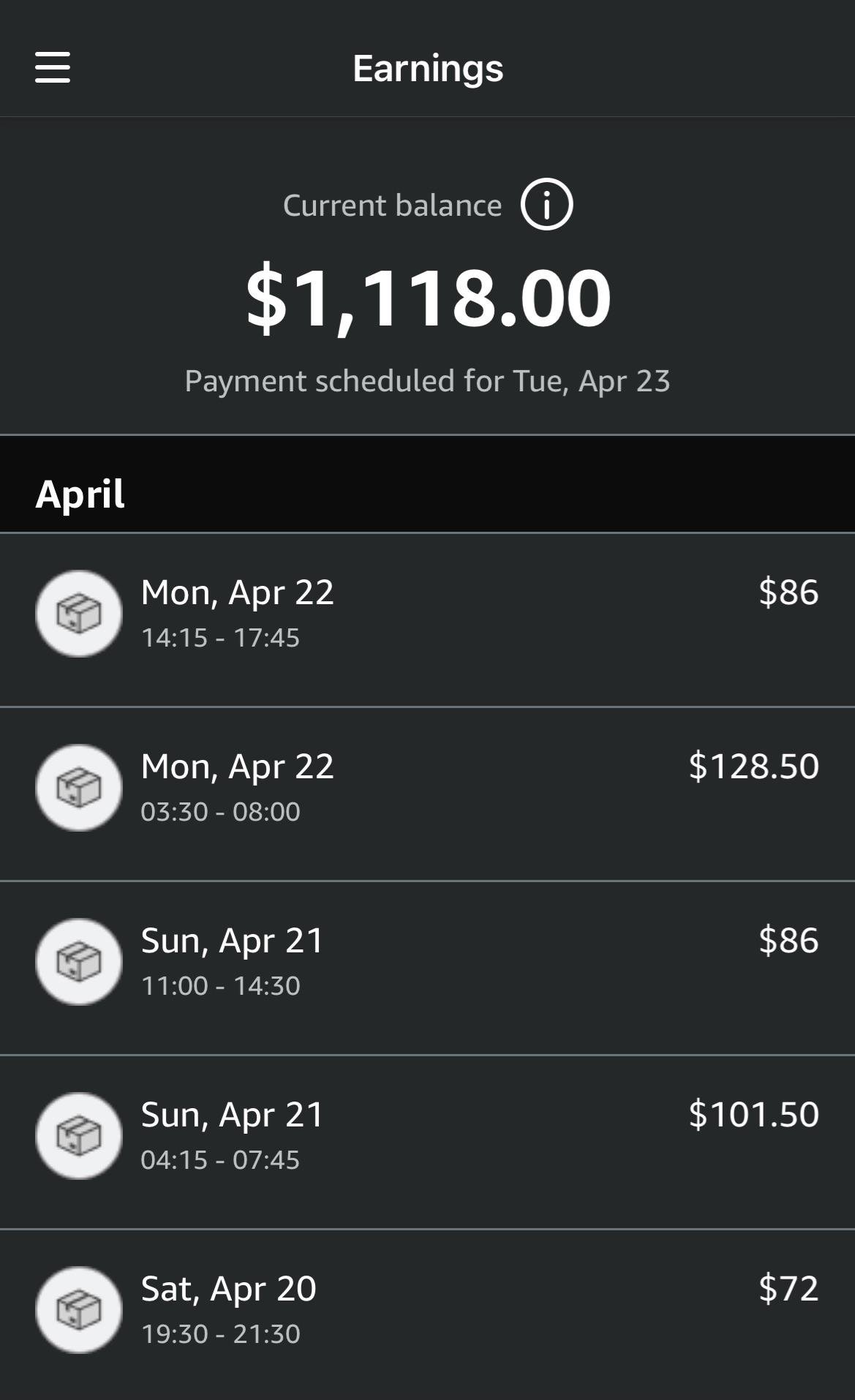
You've heard the buzz: Amazon Flex offers some of the best pay rates in the gig economy, potentially bringing in $18 to $35 an hour. That flexibility, coupled with the chance to earn a solid income, makes it incredibly appealing. But here's the reality check: what you see as an hourly rate isn't what you take home. As an independent contractor, you're running a mini-business, and like any business, yours comes with a specific set of costs & expenses for Amazon Flex drivers that can significantly cut into your hard-earned cash.
Understanding these expenses isn't just about budgeting; it's about accurately calculating your true take-home pay, optimizing your operations, and ensuring you're making financially sound decisions. Let's peel back the layers and uncover the real costs of hitting the road for Amazon Flex.
At a Glance: Key Takeaways for Flex Drivers
- Gross vs. Net: Your advertised hourly rate is before expenses and taxes. Your take-home (net) pay will be significantly lower.
- Vehicle is King: Fuel, maintenance, depreciation, and insurance are your biggest expenses.
- Tax Savvy: As an independent contractor, you're responsible for your own taxes (self-employment tax) and estimated quarterly payments.
- Track Everything: Meticulous record-keeping of mileage and other expenses is crucial for tax deductions.
- Insurance Matters: Your personal auto insurance might not cover delivery activities; additional coverage is often necessary.
- Efficiency Pays: Smart block selection, route optimization, and vehicle care directly impact your profitability.
Amazon Flex: The Promise of Earnings, The Reality of Outgo
Amazon Flex launched in 2015, tapping into the power of independent contractors to deliver packages using their personal vehicles. Drivers choose "blocks"—delivery shifts paid for completion—offering unmatched flexibility. With reported earnings ranging from $18 to $35 per hour (as of 2025-2026), it's easy to see why millions are drawn to the platform. Base pay for standard blocks is typically $18-$25/hour, with grocery deliveries (Prime Now, Amazon Fresh, Whole Foods) adding tip potential, averaging $20-$40 per block. Larger vehicle drivers might see $22-$28/hour.
Factor in surge pay during peak times, holidays, or bad weather, and those hourly rates can climb even higher, reaching $30-$40/hour. If you work 20 hours a week, you could be looking at $360-$500 weekly, or $1,440-$2,000 monthly. Full-time drivers can even push $800-$1,400 per week.
Sounds great, right? It is, on paper. But these are gross earnings. Before that money hits your bank account as true profit, a silent squad of expenses steps in to claim its share.
Your Vehicle: The Unavoidable Business Partner (and Cost Center)
Your car isn't just transportation; it's your primary business asset. This means it's also your primary source of expenses. Amazon Flex requires a reliable 4-door vehicle (sedan, SUV, minivan, pickup truck) with valid registration and current insurance. Every mile driven, every package loaded, every stop made contributes to wear and tear that you, not Amazon, will bear.
Let's break down the significant vehicle-related costs.
Fuel Costs: The Ever-Present Drain
This is often the most obvious and immediate cost. You're constantly driving—to the pick-up location, on your delivery route, and back home. Gas prices fluctuate, but your need for fuel remains constant.
- Impact: A significant portion of your daily earnings can go straight into your gas tank. The more miles you drive, the more you spend.
- Mitigation: Optimizing routes, avoiding excessive idling, maintaining proper tire pressure, and choosing fuel-efficient vehicles can help. Some drivers strategically accept blocks closer to their home or with dense delivery zones.
Maintenance & Repairs: The Wear and Tear Reality
Driving for Flex puts serious mileage on your vehicle, far more than typical personal use. This accelerates the need for routine maintenance and increases the likelihood of repairs.
- Routine Maintenance: Oil changes, tire rotations, brake inspections, fluid checks, and filter replacements will be needed more frequently. Consider high-mileage oil for extended protection.
- Tire Replacement: Tires wear down quickly under constant driving, accelerating, and braking. High-quality tires can be a significant investment but are crucial for safety and efficiency.
- Brake Pads & Rotors: Frequent stopping and starting, especially in urban environments, will wear out your brakes faster.
- Suspension Components: Hitting potholes, carrying heavy packages, and continuous driving can strain shocks, struts, and other suspension parts.
- Unexpected Repairs: The more you drive, the higher the chance of a breakdown or unexpected repair (e.g., alternator, battery, transmission issues).
- Pro-Tip: Stay diligent with preventive maintenance. Skipping a routine oil change to save $50 now could lead to a $500 engine repair later. Set aside a portion of your earnings specifically for car maintenance.
Depreciation: The Silent Killer of Value
This is often overlooked because you don't physically pay for it out of pocket immediately. Depreciation is the reduction in your car's value over time due to age, condition, and, critically, mileage.
- Impact: Every mile you put on your car for Flex devalues it. If you drive 30,000 miles a year for Flex, your car will depreciate much faster than if you drove 10,000 miles for personal use. This impacts its resale value significantly.
- Consideration: When calculating your true hourly wage, factoring in depreciation gives a more accurate picture of the cost of using your own asset for business.
Insurance: A Crucial Consideration, Not Just a Personal Policy
This is perhaps the most complex and potentially riskiest expense for gig drivers. Your standard personal auto insurance policy is designed for personal use, not commercial delivery.
- The Gap: Most personal policies have exclusions for "commercial use" or "for-hire" activities. If you get into an accident while on an active Amazon Flex block, your personal insurer might deny your claim, leaving you financially vulnerable.
- Amazon's Coverage: Amazon does provide a commercial auto insurance policy that covers liability during active delivery blocks (from package pickup to delivery). However, this is typically secondary coverage (meaning your personal policy is expected to pay first) and may not cover damage to your own vehicle or medical expenses beyond basic liability if your personal insurer denies the claim.
- Your Options:
- Rideshare/Delivery Endorsement: Many insurers now offer an affordable add-on to your personal policy that covers the "gap" between personal and commercial driving, often when you're available for a block but haven't picked up a package yet. This is often the most cost-effective solution.
- Commercial Auto Insurance: This is comprehensive coverage but can be significantly more expensive. It's typically recommended for drivers who are full-time, high-mileage gig workers or have more complex business needs.
- Action: Contact your personal auto insurance provider immediately to understand your coverage. Be honest about your Amazon Flex driving. Failing to do so could lead to policy cancellation or denied claims. The cost of this additional coverage can range from $15-$50+ per month, but it's an essential safeguard.
Registration, Fees, & Inspections: The Annual Bites
These are often fixed annual or biennial costs, but they add to your overall operational expenses.
- Vehicle Registration: The annual fee to keep your car legal on the road.
- Safety/Emissions Inspections: Many states require periodic inspections, which come with a fee.
- License Renewal: Don't forget the cost of renewing your driver's license.
Beyond the Wheels: Daily Operational Expenses
While your vehicle accounts for the lion's share, other recurring expenses contribute to your cost of doing business.
Smartphone & Data Plan: Your Command Center
Your smartphone is indispensable for Amazon Flex. It runs the app, provides navigation, and allows communication.
- Cost: A reliable smartphone (iPhone iOS 13.0+ or Android 7.0+) is a must. More importantly, you need a robust data plan. The Amazon Flex app, combined with navigation apps like Google Maps or Waze, can consume a significant amount of data, especially if you're streaming music or podcasts during your blocks.
- Recommendation: Ensure you have an unlimited or high-data plan. The cost of a good phone and data plan should be factored in.
Delivery Supplies: Keeping Packages Safe and Sound
While not always mandatory, certain supplies can improve efficiency, protect packages, and enhance your professional image.
- Insulated Bags: Essential for Amazon Fresh, Whole Foods, or Prime Now deliveries to keep groceries at proper temperatures.
- Dollies/Hand Trucks: If you deliver heavy items or multiple large packages, a foldable dolly can save your back and time.
- Tie-Down Straps/Cargo Organizers: To prevent packages from shifting or getting damaged in transit.
- First Aid Kit: A good idea for any driver, especially one spending so much time on the road.
Tolls & Parking: Unexpected Detours
Depending on your delivery area, you might encounter tolls or need to pay for parking.
- Tolls: If your route takes you through tolled roads or bridges, these costs add up. Consider getting a transponder (like E-ZPass) for convenience and potential discounts.
- Parking: Delivering in dense urban areas often requires paid parking, which can eat into your earnings quickly if not managed smartly.
Safety & Comfort Gear: An Investment in Yourself
While not strictly "operational," investing in your safety and comfort is crucial for long-term sustainability as a Flex driver.
- Dash Cam: Protects you in case of an accident or false claims.
- Portable Charger: Essential to keep your phone charged during long blocks.
- Comfortable Shoes: You'll be walking and carrying packages often.
- Weather-Appropriate Gear: Rain gear, warm clothes, and good gloves depending on your climate.
- Roadside Emergency Kit: Jumper cables, tire repair kit, flashlight.
Navigating the Tax Labyrinth: The Independent Contractor's Burden
Here's where many new Flex drivers get a rude awakening. As an independent contractor (1099 worker), Amazon doesn't withhold taxes from your pay. You are solely responsible for calculating, tracking, and paying your own income and self-employment taxes (Social Security and Medicare).
Understanding Your Role: You're a Business Owner
The IRS views you as a small business owner. This comes with responsibilities but also significant tax advantages. You'll file taxes using Schedule C (Form 1040), Profit or Loss From Business (Sole Proprietorship), where you report your income and, crucially, deduct your eligible business expenses.
The Mileage Deduction vs. Actual Expenses: A Key Choice
This is the biggest tax decision for most Flex drivers. The IRS allows you to deduct vehicle expenses in one of two ways:
- Standard Mileage Rate: This is the most common and often the simplest method. For 2023, the rate was $0.655 per mile driven for business. This covers gas, depreciation, maintenance, and insurance.
- Pro-Tip: Track all business miles—miles driven to the pick-up location, during your delivery route, and back home. This adds up quickly.
- Actual Expenses: You can deduct the actual costs of operating your vehicle, including gas, oil, repairs, tires, insurance premiums (the business portion), registration fees, and depreciation.
- Consideration: This method requires meticulous record-keeping of every single automotive expense. It's usually only beneficial if your actual costs significantly exceed what the standard mileage rate would provide (e.g., if you have a very expensive vehicle or major repairs). Most Flex drivers find the mileage deduction easier and more beneficial.
Other Deductible Expenses
Beyond your vehicle, many other expenses can be deducted:
- Phone/Data Plan: The business portion of your monthly bill.
- Delivery Supplies: Insulated bags, dollies, cargo organizers.
- Parking & Tolls: Any non-reimbursed business-related parking fees or tolls.
- Safety Equipment: Dash cams, first aid kits, work gloves.
- Home Office Deduction: If you exclusively use a part of your home for your Flex business (e.g., dedicated space for admin, tracking), though this is less common for Flex drivers.
- Professional Fees: If you pay for tax preparation or accounting software (like QuickBooks Self-Employed, Stride, or Everlance).
- Education: The cost of training directly related to improving your delivery skills (though less common for Flex).
Quarterly Estimated Payments: Staying Ahead of the IRS
Because no taxes are withheld, you're expected to pay estimated taxes quarterly to the IRS to avoid penalties.
- Deadlines: April 15, June 15, September 15, and January 15 of the following year.
- Calculation: Estimate your annual net income (gross earnings minus all deductible expenses) and calculate your projected tax liability.
- Pro-Tip: It's highly recommended to set aside 25-30% of all your gross Flex earnings specifically for taxes. This ensures you have the funds when quarterly payments are due.
Essential Record-Keeping: Your Best Defense
This cannot be stressed enough. The IRS requires proof for all deductions.
- Mileage Tracking: Use a reliable app like Stride, Everlance, or QuickBooks Self-Employed. These apps automatically track your mileage and can categorize trips.
- Expense Tracking: Keep all receipts for business expenses. Use an app, a spreadsheet, or a dedicated folder.
- Income Records: While Amazon provides income statements, keep your own records.
Calculating Your True Earnings: The "Net" Picture
To truly understand if Amazon Flex is profitable for you, you need to calculate your net earnings.
Here's a simplified approach:
- Gross Earnings: Total pay from Amazon Flex for a given period (e.g., a week).
- Estimate Your Mileage: Total business miles driven.
- Calculate Mileage Deduction: Total miles x current IRS standard mileage rate (e.g., 100 miles x $0.655 = $65.50).
- Add Other Deductible Expenses: Phone (business portion), supplies, tolls, parking, etc.
- Total Deductible Expenses: Mileage deduction + other expenses.
- Net Taxable Income (Pre-Tax): Gross Earnings - Total Deductible Expenses.
- Estimate Taxes: Net Taxable Income x (Self-Employment Tax Rate + Estimated Income Tax Rate - roughly 25-30%).
- Net Earnings (After-Tax & Expenses): Gross Earnings - Total Deductible Expenses - Estimated Taxes.
This calculation helps you see the true hourly rate you're earning after accounting for all your costs and tax responsibilities.
Strategies to Minimize Costs & Maximize Net Income
The good news is that while expenses are inevitable, you have control over many of them.
- Smart Block Selection:
- Target Surge Pay: Actively seek out blocks with higher surge pay (e.g., 4-7 AM, 5-8 PM, weekends, holidays). Higher gross pay can better absorb fixed costs.
- Efficient Routes: Learn your delivery area. Choose blocks that are geographically concentrated to minimize deadhead miles (miles without packages).
- Utilize "Legal" Auto-Tappers/Alarms: Some drivers use browser extensions or set alarms to grab high-paying blocks the moment they drop.
- Vehicle Care & Efficiency:
- Fuel Efficiency: Maintain your vehicle, avoid aggressive driving, and combine personal errands with Flex routes if possible.
- Preventive Maintenance: Stick to your car's maintenance schedule to prevent costly breakdowns. Shop around for reputable, affordable mechanics.
- Tire Management: Keep tires properly inflated and rotate them regularly to extend their life.
- Tax Optimization:
- Track Everything Religiously: This is your number one tool for reducing taxable income.
- Consult a Tax Professional: Especially if you're new to independent contracting, a qualified tax advisor can help you identify all eligible deductions and ensure compliance.
- Set Aside Tax Money: The 25-30% rule for taxes is non-negotiable for avoiding year-end surprises.
- Multi-App Strategy:
- Fill Downtime: If block availability is inconsistent, consider using other gig apps (DoorDash, Uber Eats) during Flex downtime. This maximizes your hourly earning potential and can help spread out vehicle costs over more income.
- Maintain High Ratings:
- Access Better Blocks: Amazon often offers more desirable blocks to drivers with consistent high ratings. Following delivery instructions, taking clear photos, and communicating professionally are key. This indirectly helps with costs by giving you access to better-paying, more efficient blocks.
Common Cost-Related Pitfalls for Flex Drivers
Many drivers fall into these traps, unknowingly eroding their profits:
- Ignoring Depreciation: Failing to account for the accelerated loss of vehicle value means you're not getting a true picture of your profit.
- Neglecting Insurance Gaps: Assuming your personal policy covers everything is a recipe for financial disaster in case of an accident.
- Poor Mileage Tracking: Missing even a few miles each day can add up to hundreds or thousands of dollars in lost deductions by tax season.
- Underestimating Tax Burden: Not setting aside money for taxes leads to financial stress and potential penalties.
- Skipping Maintenance: Deferring small repairs or routine service often results in more expensive, major repairs down the line.
- Inefficient Routing: Wasting gas and time by not optimizing your delivery order or driving too far between stops.
The Road Ahead: Making Flex Work for Your Wallet
Driving for Amazon Flex offers fantastic flexibility and the potential for substantial earnings. However, the difference between gross earnings and actual take-home pay can be surprising if you're not prepared for the associated costs and expenses.
By diligently tracking your mileage and other deductions, understanding your tax obligations, proactively managing vehicle maintenance, and ensuring adequate insurance coverage, you can transform a potentially good hourly rate into a truly profitable venture. Treat your Flex work like the small business it is, and you'll be well on your way to maximizing your net earnings and making this gig economy opportunity truly work for your wallet.