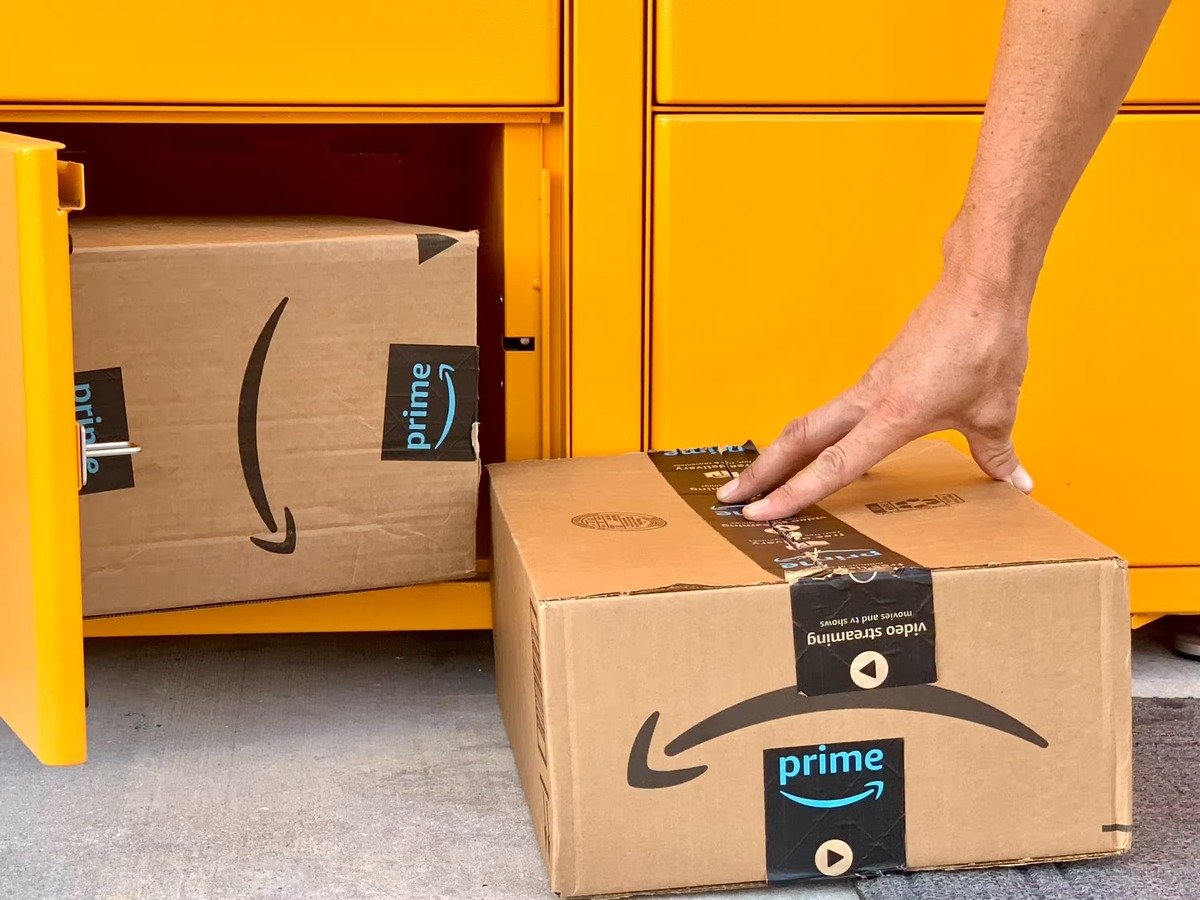
In the booming gig economy, the promise of flexible work and immediate earnings is incredibly appealing. Amazon Flex stands out as a major player, offering individuals the chance to be their own boss and deliver packages using their personal vehicle. But beyond the glossy advertisements of $18-$25 per hour, the burning question for many is: Is Amazon Flex worth it once you factor in all the hidden costs and real-world challenges?
This question isn't simple to answer, as the "worth" of Amazon Flex depends heavily on individual circumstances, driving habits, and financial goals. For some, it's a perfect side hustle providing much-needed extra cash and unparalleled flexibility. For others, it can feel like a treadmill of high expenses and unpredictable income. We're here to cut through the noise, offering a comprehensive, human-first look at what it truly means to be an Amazon Flex driver, from the hourly rates to the wear and tear on your car.
Decoding Amazon Flex: More Than Just Delivering Boxes
At its core, Amazon Flex is a delivery service that empowers independent contractors to deliver packages for Amazon. Unlike Amazon's employee-based Delivery Service Partner (DSP) program, Flex drivers use their own vehicles and operate as self-employed individuals. This distinction is crucial, as it dictates everything from your tax obligations to your take-home pay.
If you're wondering about the specifics of how this gig truly operates and the day-to-day logistics, it's worth diving deeper into What is Amazon Flex & how it works. Understanding the operational model is the first step in deciding if it aligns with your lifestyle.
The Real Talk on Earnings: What You Actually Take Home
Amazon frequently advertises gross earnings of $18-$25 per hour for Flex drivers. While these figures are indeed possible for specific blocks, the reality of your take-home pay tells a different story. As an independent contractor, you're responsible for all your operating expenses, which significantly reduce your net earnings. After accounting for fuel, maintenance, and self-employment taxes, drivers often find their real hourly income closer to $10-$20 per hour, or even $11.70-$16.25 per hour if you factor in a typical 35% expense deduction.
Several factors influence your earning potential, including the type of delivery (Amazon Fresh and Whole Foods blocks often include tips, unlike standard warehouse blocks), your location (dense urban areas usually offer higher rates), and critically, surge pricing. During peak demand times, bad weather, or holidays, rates can jump to $35-$45 per hour, making these blocks highly sought after. To get a complete picture of how pay is calculated and what you can truly expect, exploring Amazon Flex Earning Potential & is essential for informed decision-making.
Balancing Act: The Pros and Cons of the Flex Life
Like any gig work, Amazon Flex comes with a unique set of advantages and disadvantages. Understanding these trade-offs is key to determining if this path is right for you.
The Upsides: Freedom and Flexibility
- Unmatched Schedule Flexibility: This is arguably the biggest draw. Flex drivers pick blocks that fit their schedule, making it ideal for students, parents, or anyone with irregular availability.
- Predictable Block Rates: You know what you'll earn for a block upfront, providing a sense of financial certainty for that specific period.
- Fast Payments: Enjoy bi-weekly payments, with options for instant payouts, which is great for immediate cash needs.
- Surge Pricing Opportunities: Keep an eye out for these higher-paying blocks, which can significantly boost your hourly rate.
- Amazon Flex Rewards: This program offers tangible benefits like fuel discounts (up to 12% cashback) and maintenance savings, helping to offset some costs.
The Downsides: Hidden Costs and Demands
- Vehicle Wear & Tear: Your personal car takes a beating, leading to accelerated depreciation and increased maintenance costs.
- No Employee Benefits: As a contractor, you forgo health insurance, paid time off, and retirement contributions, all of which you'd need to cover yourself.
- Physical Demands: Expect to lift packages, climb stairs, and do a fair bit of walking, especially during longer blocks.
- Unpredictable Routes & Block Availability: Routes aren't known until pickup and can sometimes be inefficient. Also, block availability can fluctuate wildly based on market saturation.
- Strict Performance Monitoring: Late deliveries or low ratings, even due to external factors like traffic, can jeopardize your account.
Weighing these factors is crucial for making an informed choice. For a detailed breakdown that helps you assess if the benefits outweigh the challenges for your unique situation, check out the Pros & Cons of Driving for Amazon Flex.
The True Cost of Doing Business: Expenses Beyond Fuel
Many new Flex drivers underestimate the total expenses involved, which can drastically impact profitability. Beyond the obvious fuel costs (estimated 10% of earnings), significant expenditures include:
- Vehicle Maintenance: Increased mileage means more frequent oil changes, tire rotations, brake wear, and other repairs, potentially costing 10% of earnings.
- Self-Employment Taxes: As an independent contractor, you're responsible for both the employer and employee portions of Social Security and Medicare taxes, totaling about 15.3% of your net earnings.
- Insurance Gaps: While Amazon provides some coverage during active deliveries, you'll need robust personal auto insurance for off-block driving, and commercial coverage might be required in certain states.
- Depreciation & Hidden Costs: Your vehicle loses value faster. Additionally, phone data, car washes, parking fees, and even the time spent loading packages or returning undeliverable items are unpaid costs.
A smart driver tracks every single expense meticulously, as these can be deducted on your tax return, significantly reducing your taxable income. The IRS mileage rate (e.g., $0.67 per mile for 2026) is a powerful deduction tool. To fully grasp the financial implications and learn how to manage these expenditures effectively, be sure to Understand Amazon Flex driver costs.
Becoming a Flex Driver: Requirements and Tips for Success
So, you've considered the costs and benefits, and you're still curious? Here's what it takes to get started and how to make the most of your Flex journey:
Basic Requirements
- Be at least 21 years old.
- Hold a valid US driver’s license.
- Own a mid-sized or larger 4-door vehicle (sedan, SUV, van, or truck with a covered bed) in good condition.
- Possess personal auto insurance; be aware that commercial coverage might be necessary in some states.
- Have a compatible iPhone or Android smartphone.
- Pass a background check, which typically takes 2-5 business days.
Smart Strategies for Maximizing Earnings
- Track Everything: Meticulously log all your mileage, fuel, and other expenses for tax deductions.
- Fuel Efficiency Matters: Drive a car that sips gas, or even better, an EV.
- Hunt for Surge Pricing: Patience pays off. Wait for higher rates, especially during peak hours or challenging weather.
- Early Bird Gets the Block: Early morning shifts often come with less traffic and better rates.
- Leverage Rewards: Don't forget to use your Amazon Flex Rewards for discounts on fuel and maintenance.
- Organize Like a Pro: Efficient package organization at the warehouse saves crucial time on your route.
- Prioritize Tips: Amazon Fresh or Whole Foods blocks offer opportunities for tips, boosting your overall income.
- Multi-Apping: Consider working with other gig services during downtimes to maximize your earnings per hour.
Is Amazon Flex Right for You? Real Stories, Real Insights
Ultimately, the decision of whether Amazon Flex is "worth it" boils down to individual needs and expectations. It's a fantastic option for those seeking supplementary income, who have a reliable, fuel-efficient vehicle, and live near Amazon warehouses in busy delivery zones. Students, parents, and freelancers often find the flexibility invaluable.
However, it's generally less suitable for individuals who need consistent full-time income with traditional employee benefits, or for whom vehicle expenses would easily outweigh potential earnings. Compared to some other gig apps, Flex offers more predictable, guaranteed block pay, but often lower net earnings than ridesharing or manual labor gigs, and stricter vehicle requirements than services like DoorDash. Hearing firsthand accounts can provide invaluable perspective. To gain deeper insight into the day-to-day realities and varied experiences, we encourage you to check out Real Driver Experiences with Amazon Flex.
Your Path Forward: Weighing the Amazon Flex Opportunity
Amazon Flex offers a distinct opportunity in the gig economy – a chance to earn money on your own terms, with the backing of a global giant. However, the true value lies not just in the gross hourly rate, but in carefully calculating your take-home pay after all expenses, taxes, and the wear and tear on your most important tool: your vehicle.
As you consider diving into the world of Amazon Flex, remember to look beyond the advertised potential and factor in the full spectrum of costs and demands. By doing your homework, leveraging the provided resources, and understanding the realities of independent contracting, you can make an informed decision that truly works for your financial goals and lifestyle.