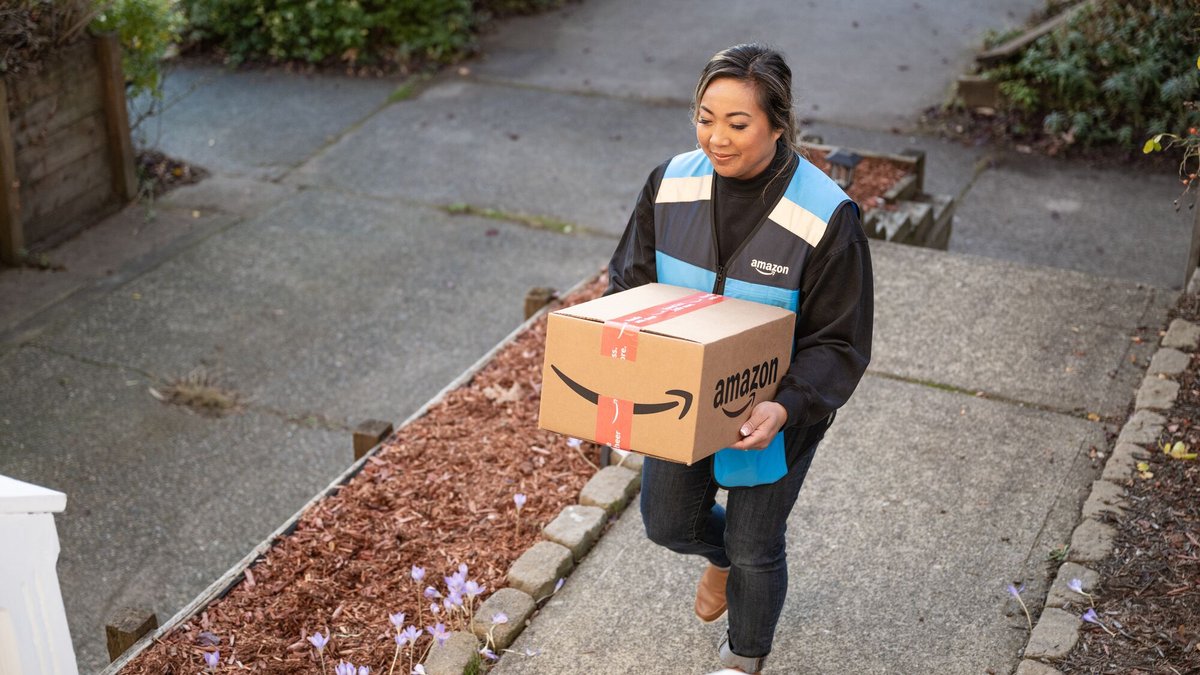
Amazon Flex offers a powerful opportunity to earn on your own terms, transforming your vehicle into a revenue-generating machine. But simply signing up isn't enough to reach your full earning potential. To truly thrive, you need a strategic approach, smart habits, and the right tools. This guide will walk you through the essential Tips & Strategies for Successful Amazon Flex Driving that top earners rely on, helping you navigate the roads, manage your finances, and maximize your pay.
It’s more than just driving; it’s about becoming a savvy independent contractor who understands the nuances of the gig economy. Ready to turn those wheels into serious income? Let's get started.
At a Glance: Your Amazon Flex Success Checklist
- Financial Savvy: Track every expense meticulously for significant tax deductions.
- Vehicle Vitality: Maintain your car proactively to avoid breakdowns and missed shifts.
- Insurance Insight: Confirm your personal auto policy covers commercial use.
- Tech Toolkit: Use a sturdy phone mount, reliable navigation (Google Maps/Waze), and keep your app updated.
- Efficiency Edge: Organize packages by delivery area codes at the depot.
- Opportunity Hunter: Diversify delivery types, work peak seasons, and track lucrative shifts.
- Problem Solver: Communicate proactively with Amazon support and customers for smooth deliveries.
- Smart Scheduling: Wake up early to snag desirable blocks and leverage Preferred Scheduling.
Understanding the Amazon Flex Landscape: Your Earning Potential
Amazon Flex is a flexible gig platform that empowers you to deliver packages and groceries, often earning between $18 and $25 per hour for shifts typically ranging from three to six hours. It's a great way to supplement income, work around another job, or even build a primary income stream. But the "per hour" rate is just an average; your actual take-home pay can be significantly influenced by how strategically you approach your work.
Think of yourself as a small business owner. Every mile driven, every minute saved, and every expense tracked directly impacts your profit margin. This mindset is crucial for turning a good earning opportunity into a great one.
Mastering Your Money: Tax Smarts & Expense Tracking
One of the biggest differences between an employee and an independent contractor (like an Amazon Flex driver) is how you handle taxes. As a 1099 contractor, you’re responsible for your own taxes, but you also have access to powerful deductions that can save you thousands of dollars. Ignoring these is a surefire way to leave money on the table.
The "Independent Contractor" Mindset
Shift your perspective from simply "driving for Amazon" to "running your own delivery business." This framing empowers you to look for efficiencies, cost-saving measures, and tax advantages that boost your bottom line. Every decision, from what car you drive to how you track your mileage, should be viewed through this entrepreneurial lens.
Tax Deductions You Can't Ignore
To maximize your earnings and minimize your tax burden, meticulous expense tracking is non-negotiable. Many new drivers overlook these vital deductions.
- Vehicle Costs: This is often your biggest deduction. You have two main methods:
- Standard Mileage Rate: This is often recommended for drivers logging significant miles (especially over 20,000 annually for Flex). You claim a set amount per business mile driven, which the IRS adjusts annually. This method simplifies tracking as you only need to record your mileage. You can still claim additional costs like car washes and tolls on top of the mileage deduction.
- Actual Expenses: This involves summing up all your actual car-related costs (oil changes, registration, lease payments, insurance, maintenance, repairs, annual depreciation, parking/toll fees) and then multiplying that total by the percentage of time you use your vehicle for work. This requires far more detailed record-keeping (every receipt!).
- Recommendation: For most Flex drivers, especially those driving long distances, the Standard Mileage Rate is simpler and often more lucrative. Consult a tax professional to determine the best method for your specific situation. For a deeper dive into demystifying vehicle tax deductions, check out our comprehensive guide.
- Cell Phone & Bill: Since your phone is essential for Flex, a portion of your monthly cell phone bill and the cost of the phone itself can be deducted. Calculate the percentage of time you use your phone for business.
- Amazon Flex Commission Fees: Any fees Amazon charges you are business expenses.
- Other Potential Deductions: Think about anything essential for your work – a sturdy phone mount, cold weather gear (if applicable), first aid kit, certain safety equipment, and even some office supplies for tracking expenses.
Pro-Tip: Use an app like Stride or QuickBooks Self-Employed to automatically track mileage and categorize expenses. They make tax time infinitely easier.
Fueling Your Savings: Gas Reward Apps
Gas is a major expense for any delivery driver. Every cent saved at the pump directly translates to higher profits.
Leverage gas reward apps to cut down on costs:
- Upside (formerly GetUpside): This app can save you up to $0.25/gallon by offering cashback at participating gas stations. It’s incredibly popular among gig drivers.
- Pogo, Receipt Hog, Receipt Pal: These apps offer rewards or cashback for scanning your gas (and other) receipts. While not as direct as Upside, they add up over time.
By diligently tracking expenses and using these tools, you’ll be maximizing your gig economy earnings from the start.
Your Ride, Your Revenue: Vehicle Care & Insurance Essentials
Your vehicle is your primary tool, and its reliability directly impacts your income. A breakdown doesn’t just mean a repair bill; it means missed shifts and lost earnings.
Proactive Maintenance: Avoiding Costly Delays
Create and stick to a regular maintenance schedule. Don't wait for a warning light to come on.
- Regular Checks:
- Every 5,000-7,500 miles: Oil and filter changes.
- At 30,000 miles: Inspect air and fuel filters.
- At 60,000 miles: Check battery, brakes/brake fluid, transmission fluid, and coolant.
- At 90,000 miles: Inspect spark plugs, hoses, timing belt, and power steering fluids.
- Tires: Keep them properly inflated and rotate them regularly to ensure even wear and better fuel efficiency. Inspect tread depth often.
- Fluid Levels: Regularly check oil, coolant, brake fluid, and windshield washer fluid.
Staying on top of these items prevents minor issues from escalating into major, expensive problems. For a more detailed guide, consider our a thorough car maintenance checklist.
Insurance Deep Dive: Protecting Your Business
This is one of the most critical, yet often misunderstood, aspects of Flex driving.
- Amazon's Coverage: Amazon provides some commercial auto liability, uninsured/under-insured motorist, and contingent comprehensive/collision coverage for drivers (outside New York) while you are actively delivering packages.
- Your Personal Auto Insurance: You are required to have personal auto insurance. Crucially, you must verify with your personal insurer if your policy remains valid for commercial use, even part-time. Many standard personal auto policies become void the moment you use your vehicle for commercial purposes, leaving you completely unprotected in an accident while driving for Flex. This is a massive risk.
- Action Step: Call your insurance provider today and ask about rideshare or commercial endorsements. Don't assume. Get it in writing if possible.
Prepping Your Flex-Ready Vehicle
Before every block, ensure your car is primed for success:
- Cleanliness & Space: A tidy car leaves more room for packages and reflects professionalism. Clear out unnecessary items.
- Full Tank: Always start your block with a full tank of gas. You don't want to waste valuable delivery time searching for a gas station.
- Phone Mount: A sturdy, reliable phone mount is essential for safe navigation and hands-free operation. This is also a tax-deductible expense!
- Charged Phone & Extra Cable: Your phone is your lifeline. Start with 100% battery and always have a charging cable (and ideally a portable power bank) ready.
Keeping Your App Sharp
The Amazon Flex app is constantly evolving. Always keep it updated to avoid technical issues and missed notifications. Outdated versions can unexpectedly sign you out or cause glitches. Updates are typically released on Sundays or Mondays, so make it a habit to check for them weekly.
On-Road Excellence: Boosting Delivery Efficiency
Time is money in Amazon Flex. The faster and more efficiently you complete your deliveries, the more blocks you can potentially take, and the higher your effective hourly rate.
Smart Navigation: Ditching Amazon's GPS
While the Flex app has its own navigation, many experienced drivers find it lacking.
- Google Maps or Waze: These apps are generally more reliable for pinpointing exact locations, providing accurate instructions, flagging speed limits, and alerting you to traffic, road closures, or hazards in real-time. They are superior for finding the shortest routes.
- Zillow: For tricky residential addresses, especially apartments or complexes, looking up the address on Zillow can sometimes provide a satellite view or more detailed building layouts, helping you find the exact door faster.
- Why a Sturdy Phone Mount is Key: You’ll be switching between apps. A good mount keeps your phone visible and secure, making transitions seamless and safe. This is one of the the best navigation apps for delivery drivers in conjunction with a solid mount.
Depot Dominance: Organizing for Speed
The moments after you pick up your packages can make or break your efficiency.
- Organize by Delivery Area Codes: Before you even leave the depot, sort your packages by the delivery area codes (usually visible on the labels or in the app's itinerary). Arrange them in your car so the first stops are easily accessible. Some drivers use collapsible bins or laundry baskets to keep things tidy and categorized.
- Double-Check Package Counts: Quickly verify that the number of packages you have matches the number in the app before you drive off.
Smart Packing & Customer Instructions
- Consolidate Small Packages: Keep empty cardboard boxes or reusable bags in your car. If a single address has multiple small packages, consolidate them into one container. This means fewer trips from your car to the door.
- Read Delivery Instructions: Always, always double-check delivery instructions. Customers often provide specific requests, like "leave by garage door," "ring doorbell twice," or "require signature." Adhering to these ensures happy customers and avoids potential issues.
Unlocking Higher Earnings: Maximizing Opportunity
Beyond efficiency, strategic decision-making around when and what you deliver can significantly impact your pay.
Data-Driven Decisions: Tracking Tips & Demand
Keep a mental (or even better, a written) log of your delivery experiences.
- Identify Lucrative Times: Which days, time frames, or even weather conditions seem to yield the highest tips or surge pay? For example, delivering during rain or snow can sometimes result in higher base pay or generous tips.
- Track Your Tips: Actively tracking your tips for Fresh, Prime Now, and Restaurant deliveries will help you identify the most profitable blocks. This data can inform your scheduling choices.
The Power of Preferred Scheduling
Amazon's reward program offers significant perks as you level up.
- Level 2 Unlock: Reaching Level 2 unlocks "Preferred Scheduling." This feature allows you to select preferred shifts based on specific days, times, and pick-up stations, giving you an edge in securing the blocks you want most. Focus on maintaining a good standing to achieve and keep this level.
The Early Bird Gets the Block: Optimal Claiming Times
Desirable blocks, especially those with surge pay, vanish quickly.
- Be Ready Early: Typically, between 6:00 AM and 7:00 AM is a prime window for claiming desirable blocks. Many drivers set alarms. New blocks can appear at any time, but being vigilant in the early morning can give you a significant advantage.
- Refresh Constantly: During peak times, keep refreshing the "Offers" screen in the app.
Branching Out: Different Flex Delivery Types
Don't limit yourself to just one type of Flex delivery. Diversifying can lead to more consistent work and better pay.
- Amazon Logistics (AMZL): These are your standard Amazon shipments, typically 3-6 hour blocks, available from 8 AM to 9 PM, involving 20-50 stops. These are the most common.
- Amazon Fresh (Groceries): Delivering groceries from Amazon Fresh stores. These often come with good tips.
- Prime Now (Speedy Deliveries): 1- or 2-hour speedy deliveries, usually from local stores or Amazon fulfillment centers. Also good for tips.
- Amazon Restaurants (Food): Food deliveries from local restaurants, often with tips.
- Note: Not all delivery types are available in all areas. Check your app for what's offered near you.
Capitalizing on Peak Seasons
Certain times of the year see a dramatic increase in demand and, consequently, higher pay.
- Holiday Season: November and December (leading up to Christmas) are incredibly busy. Surge pay bonuses are common due to the increased volume. Plan to work extensively during this period.
- Other Peaks: Prime Day, Valentine's Day, Mother's Day, and even significant weather events can also create demand surges.
Diversifying Your Gig Portfolio
Even the best Amazon Flex drivers experience slow periods. Don't put all your eggs in one basket.
- Stack Your Apps: Consider stacking Amazon Flex with other delivery apps like Uber Eats, Instacart, DoorDash, Postmates, Cornershop, or Roadie. This strategy allows you to get more orders and earn consistently, even when Flex offers are sparse.
- Maximize Downtime: If you finish a Flex block early, quickly check other apps for immediate opportunities. This multi-apping approach is key to diversifying your delivery app portfolio and achieving stable income in the gig economy.
Navigating Challenges: Troubleshooting & Support
Even with the best preparation, issues will arise. Knowing how to handle them quickly and effectively is vital.
When Deliveries Go Sideways: Reattempts & Returns
Sometimes a delivery can't be completed on the first try (e.g., gated community, recipient not home).
- Reattempt Later: If you can't complete a delivery initially, reattempt it later in your shift. Make a note and circle back.
- Return Policy: If a delivery remains incomplete, you must return it to the pick-up center. This usually needs to happen by the end of your shift, or by 10 AM the next day if the center is closed.
- Communicate with Amazon: Frequent incomplete deliveries can negatively impact your standing, potentially leading to a "soft block" or even program removal. Always inform Amazon support (via the app) of reattempts or issues.
Connecting with Amazon Support
Don't hesitate to reach out for help. Amazon support can resolve issues like missing packages, app glitches, or address access problems.
- In-App Request: The easiest way to get immediate help during a block is often through the Flex app (Help page -> "Request call from support").
- Direct Phone Numbers: You can call directly at (877) 212-6150 or (888) 281-6901 for urgent matters.
- Email for Non-Urgent: For non-urgent questions or to provide detailed feedback, email amazonflex-support@amazon.com.
Customer Communication: A Quick Call Can Save Time
If you're having trouble with gate access, finding a specific apartment, or confirming a drop-off location, use the in-app option to call or text the customer directly. A quick conversation can often resolve issues faster than contacting support.
Avoiding Deactivation: Punctuality, Cancellations, and Bots
Maintaining a good standing with Amazon Flex is crucial for long-term success.
- Be On Time: Always arrive on time for your blocks. Frequent tardiness can lead to negative standing.
- Avoid Frequent Cancellations: While life happens, excessive cancellations (especially last-minute) are frowned upon and can result in deactivation. Cancel only when absolutely necessary and as far in advance as possible.
- No Bots: Using third-party bots or software to automatically claim blocks violates Amazon Flex policy and will lead to deactivation. It's not worth the risk.
The Road Ahead: Sustaining Your Flex Success
Becoming a top-earning Amazon Flex driver isn't about luck; it's about preparation, strategy, and continuous improvement. By treating your Flex work as a legitimate business, you'll naturally develop habits that increase efficiency, maximize income, and protect your standing.
Keep your vehicle well-maintained, your finances meticulously tracked, and your app updated. Prioritize customer instructions and leverage technology to optimize your routes. Don't be afraid to diversify your gig work, and always be on the lookout for peak opportunities.
Finally, remember that gig work can be solitary. Consider listening to podcasts, audiobooks, or your favorite music during shifts for companionship and entertainment. Stay safe, stay smart, and enjoy the freedom of the open road – and the satisfaction of a well-earned income.