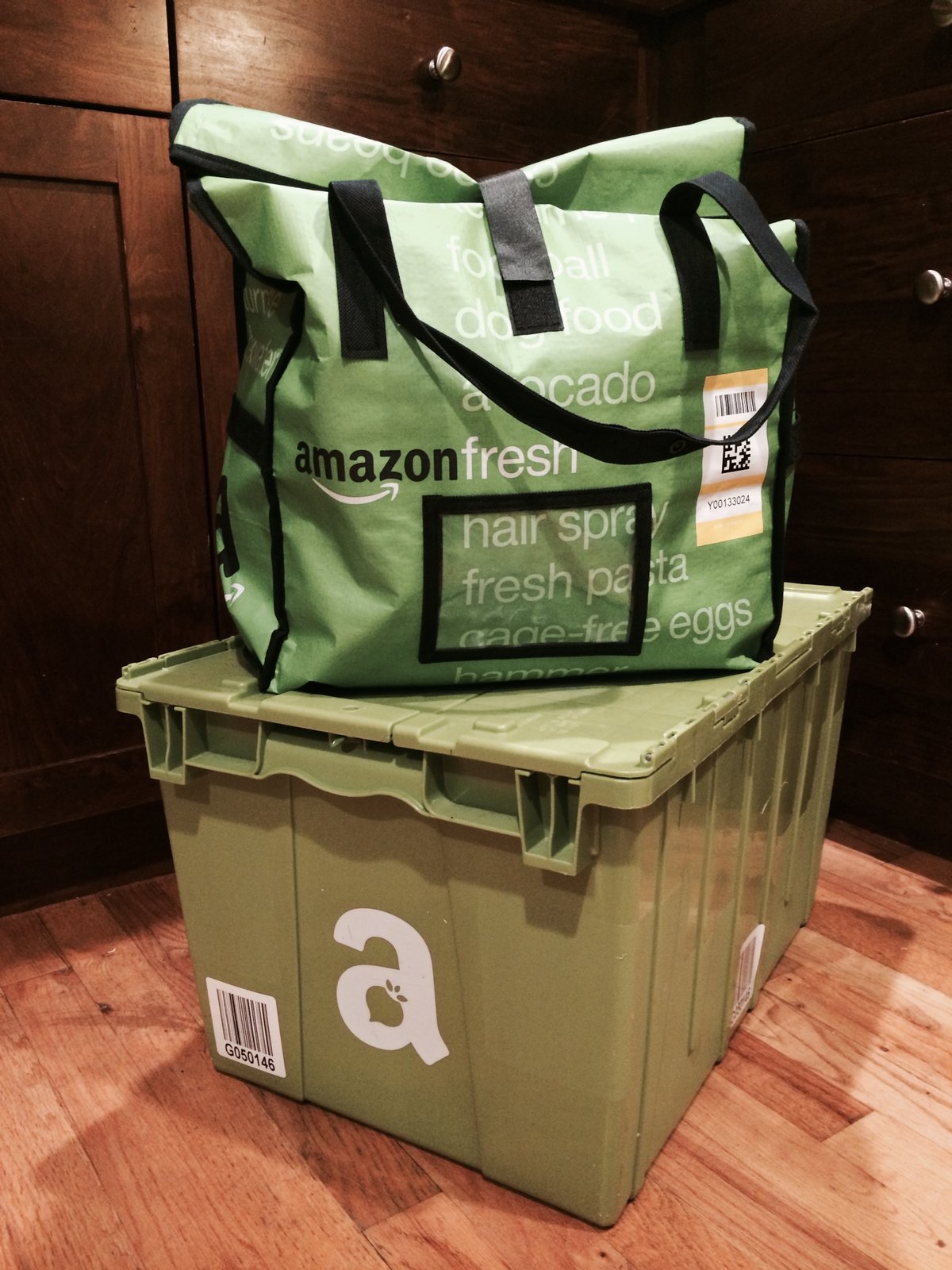
Ever wondered how those Amazon packages magically appear on your doorstep, often just hours after you click "order"? Or perhaps you're looking for a flexible way to earn money on your own schedule? Chances are, you've encountered a driver participating in Amazon Flex. This comprehensive guide will break down what is Amazon Flex and how it works, giving you the insider perspective from a seasoned journalist who's seen the ins and outs of the gig economy.
Amazon Flex isn't just a delivery service; it's Amazon's platform for independent contractors to use their personal vehicles to deliver various types of packages, from everyday Amazon.com orders to fresh groceries from Amazon Fresh and Whole Foods Market. Launched in 2015, it's a key component of Amazon's vast logistics network, promising flexibility and a straightforward way to earn.
At a Glance: Your Amazon Flex Snapshot
Thinking about hitting the road with Amazon Flex? Here's a quick rundown of what you need to know:
- Be Your Own Boss: You're an independent contractor, choosing when and how much you work.
- Use Your Vehicle: Deliver packages using your personal sedan, truck, or van.
- Flexible Schedule: Grab "delivery blocks" that fit your availability, often with upfront pay details.
- Typical Earnings: Amazon advertises $18-$25 per hour, plus 100% of customer tips.
- Key Requirements: Must be 21+, have a valid driver's license, a qualifying vehicle, and a compatible smartphone.
- Expenses are Yours: You cover gas, insurance, maintenance, and taxes.
- App-Driven: The Amazon Flex app is your hub for scheduling, navigation, and payment.
Understanding Amazon Flex: Your Road to Independent Delivery
At its core, Amazon Flex is about leveraging the existing infrastructure of everyday people and their cars to meet Amazon's immense delivery demands. Unlike traditional employment, you're not an Amazon employee. Instead, you operate as an independent contractor, often referred to as a "gig worker." This model offers significant freedom: you dictate your working hours, effectively becoming a micro-delivery business owner for Amazon's vast ecosystem.
When you sign up, you're essentially offering your time and vehicle to complete specific delivery tasks. These tasks are bundled into "delivery blocks," which are fixed time slots where you're expected to pick up and deliver a certain number of packages. The beauty of this system lies in its transparency: you'll see the estimated pay for a block upfront before you commit. It's a system designed for convenience, both for Amazon and for individuals seeking flexible income opportunities.
Who Can Become an Amazon Flex Driver? Meeting the Essentials
Before you can start envisioning yourself as a package-delivering hero, you'll need to meet Amazon's specific criteria. These requirements ensure that drivers are reliable, safe, and equipped to handle the demands of the job. Understanding how to qualify for Amazon Flex is your first hurdle.
The Essentials: Age, License, and a Reliable Ride
First, Amazon takes safety and legal compliance seriously. To be eligible, you must be:
- At least 21 years old: This is a firm requirement, likely due to insurance stipulations and the responsibility involved in transporting goods.
- Hold a valid U.S. Driver's License: No surprises here; you'll be driving, so a current, clean license is non-negotiable.
- Own a mid-sized or larger vehicle: This is crucial. Amazon needs vehicles capable of holding multiple packages, sometimes even larger boxes. Sedans, trucks, and vans typically qualify, but compact cars like a Smart car or two-door coupes usually don't. Your vehicle should also be reliable, as you'll be putting significant mileage on it.
Smartphone Savvy: Your Command Center
Your smartphone isn't just for calls; it's your central nervous system for Amazon Flex. You'll need a compatible smartphone (iPhone or Android) with sufficient data and storage. The Amazon Flex app is surprisingly robust, handling everything from navigation and package scanning to earnings tracking and support communication. Without a reliable phone, you simply can't do the job.
The Background Check: Trust and Safety First
As part of the onboarding process, all prospective drivers undergo a thorough third-party background check. This screening evaluates your criminal history and driving record to ensure customer and package safety. Transparency is key here; Amazon needs to trust the people representing their brand on the roads. It's a standard practice across most gig economy platforms that involve personal interaction or sensitive deliveries.
Signing Up: Your Path to Delivering with Amazon Flex
Ready to take the plunge? The onboarding process for Amazon Flex is fairly straightforward, though it can involve a waitlist depending on demand in your area.
- Download the Amazon Flex App: This is a critical step, and one that often trips people up. You won't find the Amazon Flex app on the regular App Store or Google Play. Instead, you must download it directly from Amazon's official Flex website. This ensures you get the correct, secure version of the application.
- Sign In or Create an Account: Use your existing Amazon account credentials, or create a new one if you don't have one already. This links your delivery activities to your Amazon profile.
- Provide Your Delivery Preferences: The app will guide you through setting up your profile. You'll specify your preferred zip code for deliveries, the type of vehicle you'll be using, and some basic availability. This helps Amazon match you with relevant opportunities.
- Complete the Background Check: As mentioned, this is a necessary step. You'll provide the information required for the third-party screening.
- Navigate the Waitlist: After passing the background check, you might be placed on a waitlist. Amazon manages driver supply and demand meticulously, so if there aren't immediate openings in your area, you'll be notified when a slot becomes available. This can be frustrating, but it means Amazon is trying to ensure there's enough work for active drivers.
How You Earn: Money, Tips, and the Real Take-Home Pay
One of the biggest draws of Amazon Flex is the promise of flexible earnings. But what does that really mean for your wallet? Let's break down the compensation structure and what to consider for your net income.
The Hourly Promise: What Amazon Advertises
Amazon publicly advertises that Flex drivers typically earn between $18 and $25 per scheduled hour. This figure represents a combination of base pay and potential surge pricing (more on that in a moment). Importantly, drivers also retain 100% of any tips received, which can significantly boost earnings, particularly for Amazon Fresh and Whole Foods Market deliveries. The base pay for a scheduled block is a minimum of $15 per hour, ensuring a baseline income for your time.
Beyond the Base: Surge Pricing and Your Tips
While the base rate provides a floor, your hourly earnings can fluctuate. "Surge pricing" is Amazon's dynamic response to demand. During peak periods, like major holidays (Prime Day, Thanksgiving, Christmas), inclement weather, or when there's an unusually high volume of packages and fewer drivers available, Amazon will offer higher pay for blocks. These "surge" blocks are highly sought after and can push your hourly rate well above the advertised average.
Tips, especially for grocery deliveries, are another crucial component. Delivering groceries or restaurant orders often comes with the expectation of a gratuity, and Amazon ensures that every penny of that goes directly to you. This can make these types of blocks particularly lucrative. To truly maximize your Amazon Flex earnings, understanding when and where to find surge blocks and focusing on tip-heavy deliveries is key.
The Independent Contractor Reality: Accounting for Expenses
Here's where the "independent contractor" status significantly impacts your take-home pay. While $18-$25 an hour sounds good, it's a gross figure. As an independent contractor, you are responsible for all your operating expenses. This includes:
- Gas: A significant cost, especially with fluctuating fuel prices and the mileage you'll accumulate.
- Vehicle Wear and Tear: Your car is your business tool, and it will depreciate faster. Factor in oil changes, tire rotations, brake pads, and general maintenance.
- Personal Auto Insurance: While Amazon provides an "Amazon Commercial Auto Insurance Policy" for liability coverage during active delivery blocks, you still need your personal insurance.
- Parking and Tolls: These can eat into your profits, especially in urban areas.
- Taxes: This is a big one. As a self-employed individual, you'll owe self-employment taxes (Social Security and Medicare) in addition to income tax. Amazon does not withhold taxes from your payments. It's crucial to track all your income and expenses diligently. Many drivers set aside a percentage of every payment for their tax obligations. Understanding navigating taxes as a gig worker is essential for financial health.
After deducting these expenses, your net hourly earnings can be significantly lower than the advertised rate. It's vital to do the math for your specific vehicle and driving habits.
Getting Paid: Direct Deposit and Instant Access
Amazon pays Flex drivers twice weekly via direct deposit, typically on Tuesdays and Fridays. This consistent payment schedule helps with budgeting. For those who need faster access to their funds, Amazon Flex also offers "Cashout" and "Instant Pay" features. These allow you to access your earnings shortly after completing a block, often for a small fee, providing immediate liquidity when needed.
Life on the Road: Scheduling, Picking Up, and Delivering
So, you've qualified, signed up, and understand the money side. Now, what's it actually like to be an Amazon Flex driver? The entire experience revolves around the Amazon Flex app, from securing work to navigating your route.
Grabbing Blocks: How Scheduling Works
The Amazon Flex app displays available "delivery blocks" in your chosen area. These blocks vary in duration, typically from 2 to 5 hours, and specify the type of delivery (e.g., Amazon.com, Fresh, Whole Foods). You'll see the estimated pay for the block upfront. Drivers can either "schedule" blocks in advance or grab "instant offers" for same-day delivery if they're available. This flexibility is a huge perk, allowing you to fit work around other commitments. However, popular blocks, especially those with surge pricing, can be snapped up quickly, requiring quick reflexes.
Pickup and Go: Your Delivery Adventure Begins
When your scheduled block begins, you'll head to a designated Amazon facility. This could be an Amazon delivery station, a Whole Foods Market, or an Amazon Fresh warehouse. Upon arrival, you'll scan your ID, load approximately 25-30 packages into your vehicle (the exact number varies by block type and duration), and you're off. The process is streamlined, with clear instructions on where to go and how to collect your cargo.
The App as Your Co-Pilot: Navigation and Verification
Once loaded, the Amazon Flex app transforms into your personal delivery assistant. It provides an optimized route designed to make your deliveries efficient, complete with turn-by-turn navigation, speed limit indicators, and real-time traffic alerts. You'll follow the app's guidance, delivering packages to residential homes, businesses, or even Amazon Lockers.
For each delivery, you'll use the app to scan the package, often take a photo of where you left it (especially for contactless deliveries), and confirm the drop-off. This digital trail ensures accountability and provides proof of delivery. Mastering tips for successful Amazon Flex deliveries largely comes down to efficient navigation and quick, accurate package handling within the app.
Workload and Limits: What to Expect
Amazon typically caps drivers at around 10 hours of work per day and 40 hours per week in the U.S. This is to prevent driver fatigue and ensure fair distribution of blocks. However, during peak seasons like Prime Day or the winter holidays, these caps are often lifted, allowing dedicated drivers to put in more hours and earn more. Always monitor your available hours within the app.
The Multi-Apping Question: A Word of Caution
Many gig workers try to maximize their earnings by "multi-apping," running multiple delivery apps simultaneously. While tempting, this strategy is generally not recommended for Amazon Flex. Delivery blocks are time-sensitive, with tight schedules for pickup and delivery. Attempting to fit in a DoorDash order between Flex deliveries can lead to missed deadlines, late deliveries, or even undelivered packages, which can negatively impact your standing with Amazon. It may also violate Amazon's terms of service. For those interested in other popular delivery driver apps, it's usually best to complete one block fully before picking up another gig.
Staying Safe and Supported: Amazon's Resources for Drivers
Amazon isn't just about getting packages delivered; they also invest in driver safety and support, as well as performance monitoring.
Safety First: Gear and Emergency Assistance
Your safety on the road is important. Amazon provides safety gear such as reflective vests, vehicle magnets (to identify you as an Amazon Flex driver), and even headlamps for nighttime deliveries. More critically, they offer a 24/7 Emergency Assistance Helpline, which drivers can access directly through the app. This provides immediate support in case of an accident, breakdown, or any other emergency. Importantly, Amazon explicitly states that drivers are not required to complete deliveries if they feel unsafe, empowering you to prioritize your well-being.
Building Your Reputation: Driver Standing and Customer Profiles
Amazon monitors driver performance through a "Standing" metric, viewable within the app. This metric tracks various factors, including your on-time arrival at the warehouse for blocks, successful delivery completion rates, and customer feedback. Maintaining a "Fantastic" or "Great" standing is crucial; consistently low standing can lead to a warning, suspension, or even permanent removal from the program.
Additionally, Amazon has introduced "Driver Profiles," allowing customers to see the driver's name and photo when their package is on its way. This adds a layer of transparency and personalization to the delivery experience, fostering trust between customers and drivers.
Rewarding Your Efforts: The Amazon Flex Rewards Program
To acknowledge and incentivize its drivers, Amazon Flex offers a Rewards program. Drivers are automatically enrolled and can climb through levels based on their delivery activity and performance. These rewards can include discounts on fuel and vehicle maintenance, which can significantly offset those independent contractor expenses. Higher levels might also offer preferred scheduling access. A free Amazon Flex Debit Card is also available, often with cash-back promotions on everyday purchases, further enhancing your earning potential.
Key Considerations Before You Start Driving
Becoming an Amazon Flex driver can be a fantastic opportunity for flexible income, but it's not for everyone. Taking a moment to weigh the pros and cons against your lifestyle and financial goals is crucial.
Is Amazon Flex Right For You? A Quick Checklist
- Do you value flexibility above all else? If setting your own hours and being your own boss is a top priority, Flex excels here.
- Do you have a reliable, fuel-efficient vehicle? High mileage and maintenance costs can quickly eat into profits for older or less efficient cars.
- Are you comfortable with physical work? Loading and unloading packages, walking to front doors, and navigating different terrains can be physically demanding.
- Are you organized and self-motivated? As an independent contractor, you're responsible for managing your time, tracking expenses, and handling taxes.
- Do you enjoy driving? You'll spend a lot of time behind the wheel, often alone.
- Are you comfortable using a smartphone app for all aspects of your work?
If you answered "yes" to most of these, Amazon Flex might be a good fit.
Understanding the Independent Contractor Model Fully
It's worth reiterating: as an Amazon Flex driver, you are not an employee. This means no guaranteed hourly wage, no employee benefits (health insurance, paid time off, retirement plans), and no employer-paid taxes. You are essentially running a small business. While this offers unparalleled freedom, it also shifts significant responsibility onto your shoulders. Careful financial planning, diligent expense tracking, and understanding your tax obligations are paramount.
Special Rules: What California Drivers Should Know
Drivers in California operate under specific state-level gig economy regulations, notably Proposition 22. This legislation provides certain benefits to California-based Flex drivers that differ from other states. These can include a higher earning floor, ensuring minimum pay levels, and a potential monthly health insurance subsidy for eligible drivers. If you're considering driving in California, it's worth researching these specific protections, as they can significantly impact your net earnings and benefits.
Driving Forward: Your Next Steps with Amazon Flex
Amazon Flex offers a robust platform for individuals seeking flexible work and extra income. With clear requirements, an intuitive app, and competitive hourly rates (before expenses), it's a popular choice in the gig economy. By understanding the independent contractor model, diligently tracking your costs, and leveraging the app's features, you can make the most of your time on the road.
If this guide has sparked your interest, your next logical step is to visit the official Amazon Flex website, download the app, and begin the onboarding process. Even if you're placed on a waitlist, it's worth getting your application in to be ready when opportunities arise in your area. Happy driving!